
Build an approval‑ready credit profile
Understand what’s driving your credit decisions, identify items that may be unfair or inaccurate, and take a structured next step toward stronger approvals and better terms.
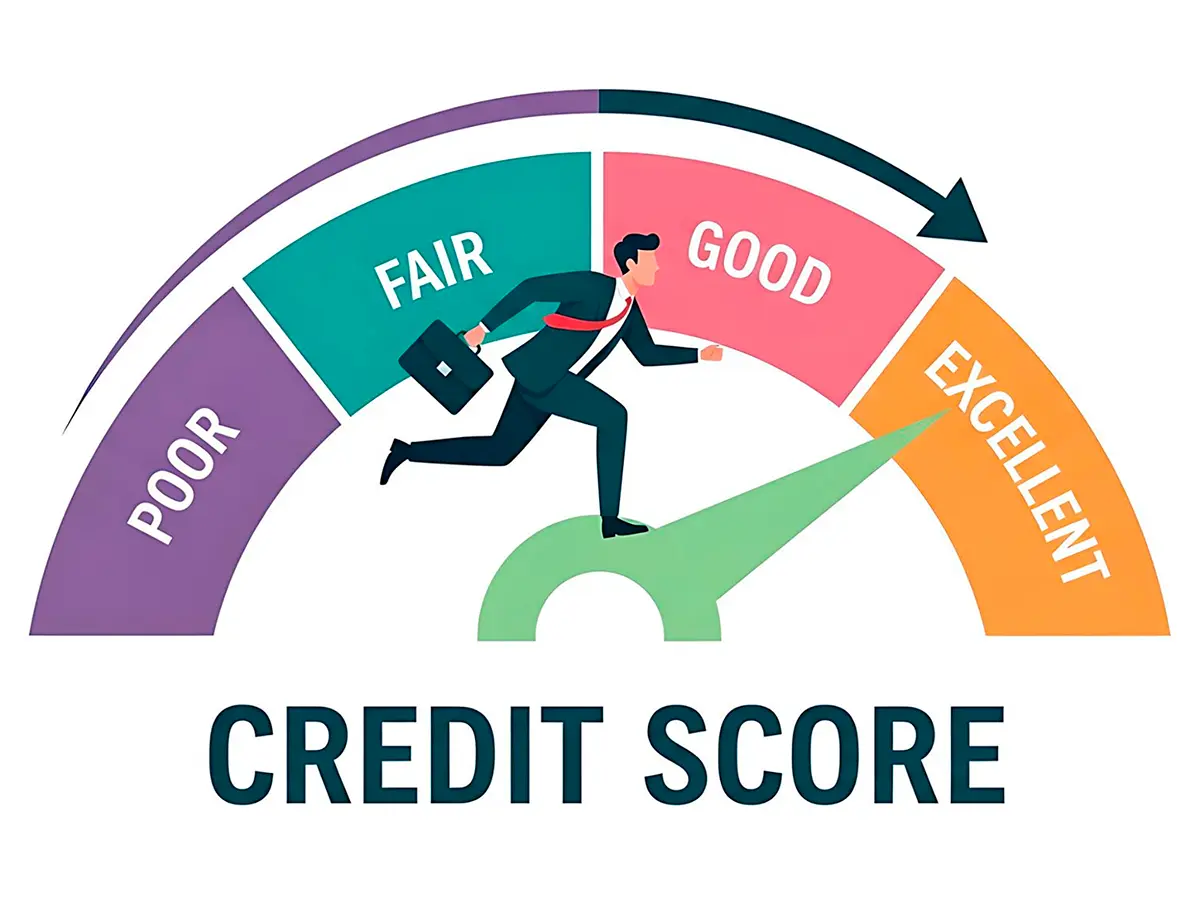
Built around established U.S. credit reporting practices and dispute procedures under the Fair Credit Reporting Act (FCRA). No unrealistic promises—just clarity, documentation, and structured credit improvement.
Unlock more options
Choose the outcome you care about. We’ll outline what improves it—and what to watch for—so you can move forward with confidence.
Your path to stronger credit
A stronger credit profile can mean better approval odds, improved loan terms, and more financial flexibility. Get a clear, no-fluff overview of what credit improvement can help you achieve — then take the next step when you're ready.
Credit decisions in the U.S. are typically influenced by payment history, utilization ratios, account age, recent inquiries, and the accuracy of reporting across major credit bureaus.
Even small inconsistencies can affect lending algorithms. A structured credit improvement approach focuses on verified data, responsible usage patterns, and consistent financial behavior.
*Results vary. This page does not guarantee outcomes.
How it works
A straightforward workflow used by reputable credit‑support programs: review, challenge what’s questionable, and build stronger habits while updates are processed.

Review your starting point
Clarify your goal and look at what’s currently affecting approvals and terms.

Identify what can be challenged
See what information is typically needed, what to expect next, and how the workflow usually looks.

Move forward
Continue to explore available options and take the next step toward better credit outcomes.
fix my credit: a practical path to regain control
You can steer this. Scores change as data changes, and you control a lot of that data. Start small, act consistently, and keep receipts. Insight first, moves second.
Start with the facts
Pull all three reports (Experian, Equifax, TransUnion) and read line by line. You're looking for accuracy, age, and balances, not just the score.
- List every account: open/closed, limit, balance, dates.
- Match dates: last payment, first delinquency, and status.
- Note utilization: balance ÷ limit per card and overall.
Red flags to spot
- Mistakes: wrong balance, duplicate collections, payments not shown.
- Identity mix-ups: accounts you never opened.
- Outdated negatives: items past reporting limits.
Dispute with precision
Dispute only what's wrong, and tie each claim to a document. Vague disputes get vague results.
- State the exact line item and the specific error.
- Attach proof (statements, letters, police report if identity theft).
- Send to each bureau reporting the item; track dates.
Mark your calendar. Investigations typically complete within one to two billing cycles.
Lower utilization fast
Utilization is highly sensitive and fully in your hands.
- Pay before the statement date, not just the due date, so the reported balance is lower.
- Make two smaller payments per cycle to keep balances down mid-month.
- Ask for a limit increase on well-managed cards (no fee, no new hard pull if possible).
- Consider a small balance transfer only if it meaningfully cuts interest; avoid new debt sprees.
Add positive data
Fresh, on-time activity can offset old negatives over time.
- Use a low-fee secured card; keep spend under 10% of its limit and pay in full.
- Credit-builder loan: fixed payments reported monthly, savings released at the end.
- Authorized user status on a long, clean, low-utilization card can help - if the issuer reports AU data and the account is spotless.
Handle late accounts and collections
Clarity and documentation matter more than clever wording.
- If you were briefly late, ask for a goodwill adjustment after re-establishing on-time payments.
- For collections, request debt validation first; negotiate only after they prove it.
- If settling or paying, get the agreement in writing; some collectors may agree to update how they report.
Automation and momentum
- Autopay at least the minimum on every account to stop new lates.
- Schedule extra payments on payday; treat them like rent.
- Pick a payoff style: avalanche (highest APR first) or snowball (smallest balance first). Insight beats intensity when you're tired.
A quick real-world moment
At the dealership, the monthly payment estimate jumped after the hard pull. The next month, you paid two cards before their statement dates and trimmed utilization. The follow-up preapproval looked different - still not perfect, but closer.
Track progress and timeline
- Utilization changes can show on the next statement cycle.
- Dispute outcomes may take a few weeks after submission.
- Payment history gains stack month by month; aim for a streak.
Small wins checklist
- Calendar statement dates; pay early.
- One secured product reporting on time.
- One resolved error per month.
- No new lates, ever.
- Keep notes, confirmation numbers, and letters.
You're not chasing points; you're curating data. Each cycle is another edit to your file, and the next edit is where you take even more control.
How to Repair Your Credit in 11 Steps - 1. Check Your Credit Report - 2. Dispute Credit Report Errors - 3. Bring Past-Due Accounts Current - 4.
No one promising to repair your credit can legally remove information if it's both accurate and current. Sometimes companies will say they can help, but many ...
Need help fixing your credit? Turns out millions of people have inaccurate or unfair negative items wrongfully hurting their score. CreditRepair.com is here ...
Frequently asked questions
A clear next step — without the guesswork
See what’s impacting approvals and what may deserve a closer look.
Understand how disputes are structured and what documentation matters.
Improve utilization, consistency, and long-term credit stability.
See what improving your credit could change
Take a structured next step based on your current profile — and decide with clarity.